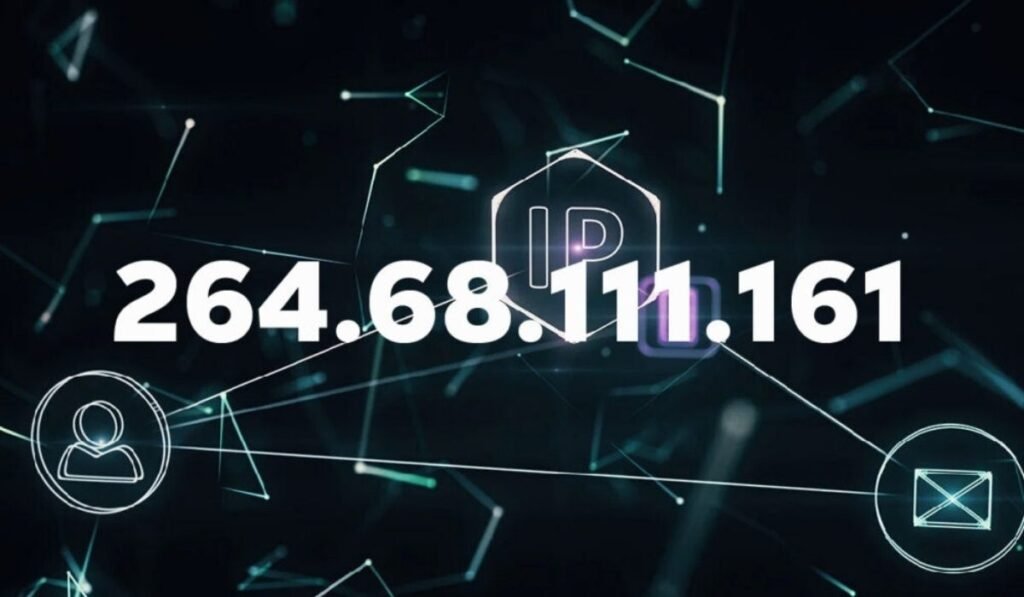
Have you ever come across a string of numbers like 264.68.111.161 and wondered what it actually means? Is it safe, or could it be connected to some online threat? In the digital age, IP addresses are everywhere, silently tracking, connecting, and identifying devices. But understanding them can seem confusing. Today, we’re going to break it down in simple, friendly terms and explore everything you need to know about this intriguing number sequence.
What Is an IP Address?
Before we dive into 264.68.111.161, let’s start with the basics. IP stands for Internet Protocol. In simple terms, it’s a unique address that identifies a device on a network. Think of it like your home address—but for your computer or phone. Just like mail needs an address to reach you, information on the internet needs an IP address to know where to go.
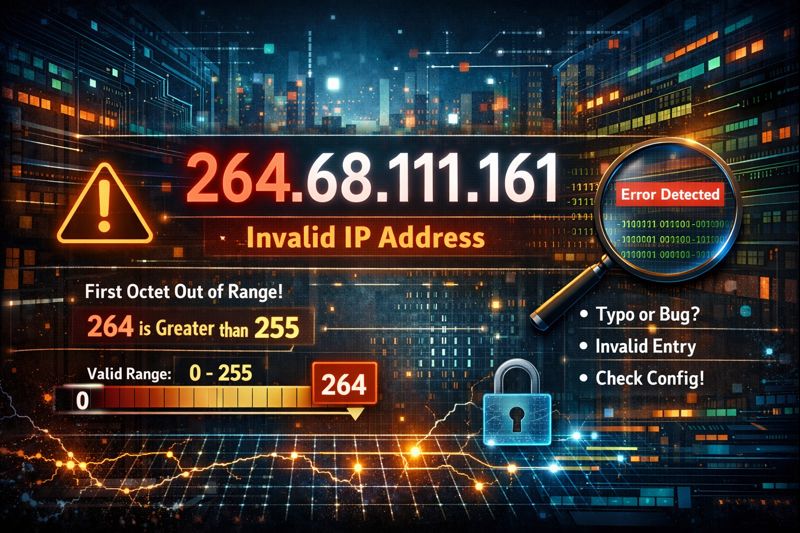
There are two types of IP addresses: IPv4 and IPv6. The one we’re looking at, 264.68.111.161, follows the IPv4 format, which is made of four numbers separated by dots. Each number can range from 0 to 255.
Now, you might already notice something unusual here: the first number, 264, is above 255. Technically, this is outside the range of standard IPv4 addresses. This could mean a few things. Maybe it’s a typo, or perhaps it’s being used in a private or experimental network.
Why IP Addresses Matter
IP addresses like 264.68.111.161 do more than just identify your device. They play a crucial role in how the internet works. Without them, websites wouldn’t know where to send data. Streaming videos, sending emails, or even browsing social media would be impossible.
Moreover, IP addresses are used to determine your approximate location. Companies, for example, use them to deliver region-specific content. Governments and law enforcement can also trace illegal activity back to certain IPs.
Even if you’re just a casual user, understanding IP addresses helps you stay aware of your online footprint. It’s not about fear—it’s about knowledge.
Can 264.68.111.161 Be Dangerous?
This is one of the first questions people ask when they see a strange IP address. Could 264.68.111.161 be harmful? The short answer is: it depends.
IP addresses themselves are neutral. They are like addresses on a street; the address doesn’t do anything by itself. However, the devices linked to them could be involved in malicious activity. Hackers, spammers, or suspicious servers often use certain IPs to attack computers or spread malware.
That said, just because an IP is unusual doesn’t mean it’s automatically dangerous. Sometimes, it’s just a misconfigured device or a private network in use. The key is to remain cautious and check IP addresses before engaging with unknown sources.
How to Trace an IP Address
If you’re curious about 264.68.111.161, you might want to trace it. Tracing an IP can tell you its country, city, and sometimes even the Internet Service Provider (ISP). There are many free tools online that let you enter an IP and see its general location.
However, it’s important to remember that IP location is approximate. You rarely get an exact home address. For example, a trace might show that 264.68.111.161 is linked to a city in Europe, even if the actual user is somewhere else. Privacy technologies, VPNs, and proxies can also mask real locations.
Common Uses of IP Addresses
So, beyond just identifying devices, what do IP addresses like 264.68.111.161 do? Let’s look at some common applications:
-
Networking – IP addresses allow devices to communicate on local networks or across the internet. Your home Wi-Fi assigns IPs to your phone, laptop, and smart devices automatically.
-
Online Security – Many security systems monitor IP addresses to detect unusual behavior. If a foreign IP suddenly tries to access your account, you may get an alert.
-
Content Delivery – Streaming services, websites, and online games use IPs to deliver content efficiently. They can reduce lag and load times by routing data from servers closest to your IP.
-
Marketing and Analytics – Businesses track IPs to analyze visitor trends and improve user experience. Knowing where traffic comes from helps companies make smarter decisions.
How to Protect Yourself
If you want to safely browse the internet and manage your exposure to IP addresses like 264.68.111.161, here are some tips:
-
Use a VPN – A virtual private network can mask your real IP and add an extra layer of security.
-
Enable Firewalls – Firewalls monitor incoming and outgoing connections to prevent unauthorized access.
-
Avoid Suspicious Links – Never click unknown links, especially if they come from strange IP addresses.
-
Regular Updates – Keep your software and antivirus updated to prevent exploits that target IPs.
These simple steps help ensure that your online experience remains safe and private.
IP Addresses in Daily Life
Believe it or not, IP addresses touch almost everything we do online. Whenever you check your email, scroll social media, or order products online, your IP is quietly working behind the scenes.
Even smart home devices rely on IPs. Your smart fridge, thermostat, or security camera communicates through IPs to keep everything connected. Understanding IPs helps you see the bigger picture of how modern technology operates.
Common Misconceptions
Many people get confused about IP addresses. Here are a few myths clarified:
-
Myth 1: All IPs are Public – Not true. Private networks use IPs that aren’t visible on the internet, like in your home or office.
-
Myth 2: IPs Reveal Exact Locations – IP tracing is approximate. It can usually only show cities or regions, not precise addresses.
-
Myth 3: Changing Your IP Is Illegal – Not at all. Using a VPN or dynamic IP assignment is perfectly legal in most countries.
Knowing the facts helps you navigate online information without panic.
What Makes 264.68.111.161 Unique?
As mentioned earlier, the number 264 is beyond the normal IPv4 range. This could mean it’s part of a testing network, a misconfigured address, or even just a hypothetical example in a discussion about networking.
Sometimes, unusual IPs like this are used by researchers, developers, or security testers. They create scenarios that simulate real-world internet traffic to understand vulnerabilities or improve technology.
So, rather than being immediately alarming, 264.68.111.161 is an interesting example that highlights the complexity of internet addressing.
Conclusion: Understanding IPs Empowers You
IP addresses may seem technical or intimidating at first, but they are fundamental to how the internet works. Whether it’s 264.68.111.161 or your own device’s IP, understanding what these numbers mean gives you insight into your online world.
By learning about IPs, you can make informed decisions, protect your privacy, and even satisfy your curiosity about the hidden architecture of the internet.
About the Author